
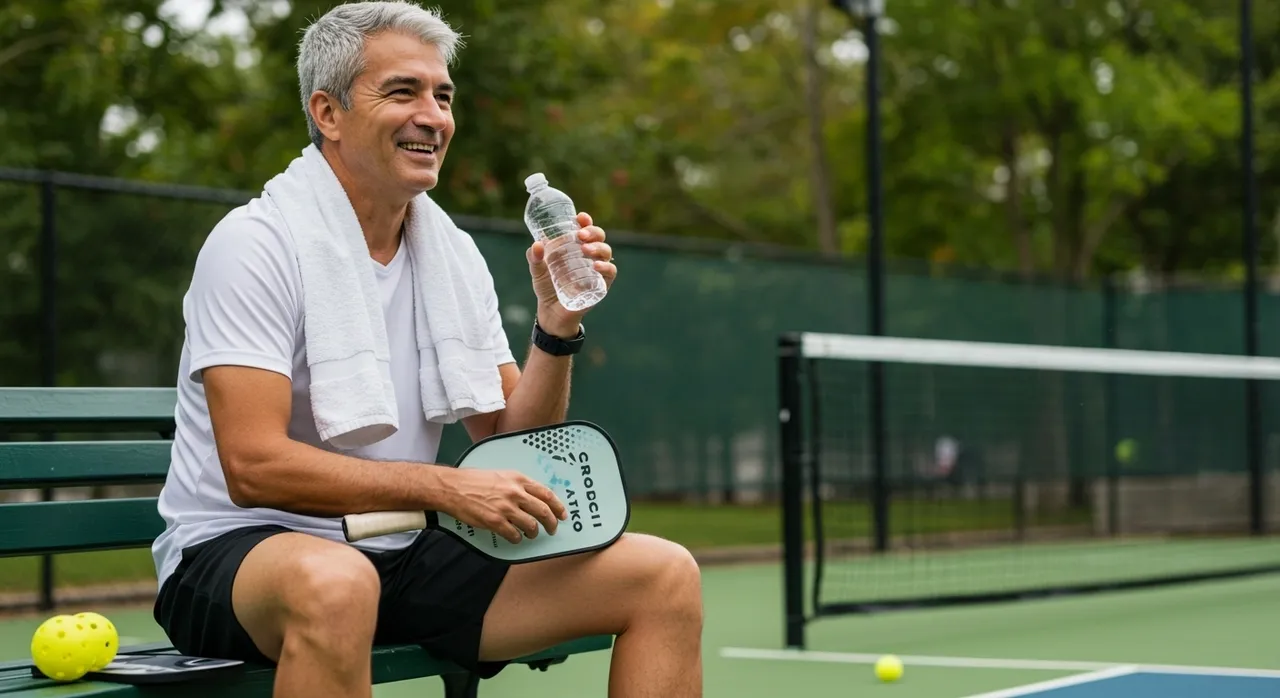
But here’s the thing: what you do after the game is just as important as how you play during it.
Recovery isn’t about being passive—it’s an active part of becoming a better, stronger, and more resilient player. In this post, we’ll break down the top recovery strategies that will help you bounce back faster and perform better in your next match.
1. Hydrate Like a Pro
Pickleball can be deceptively demanding, especially under the sun. After a long session, your body has likely lost more fluids than you realize. Rehydration should start as soon as you step off the court.
Drink water, of course—but consider adding electrolytes to replenish sodium, potassium, and magnesium lost through sweat. Coconut water or sports drinks (low in sugar) can also help restore balance.
2. Refuel With Smart Nutrition
Your muscles need fuel to repair and rebuild. Within 30–60 minutes post-game, aim to eat a combination of lean protein (like grilled chicken or Greek yogurt) and complex carbs (such as quinoa, sweet potatoes, or whole grains).
Avoid heavy, greasy foods that can slow down digestion and delay recovery. Instead, opt for clean, nutrient-dense meals to kickstart the healing process.
3. Stretch While You’re Still Warm
A quick cool-down routine that includes dynamic and static stretching can work wonders. Focus on areas that took the most strain—calves, hamstrings, shoulders, and lower back.
Stretching helps reduce lactic acid buildup, improves flexibility, and lowers the risk of injury during your next match.
4. Use a Foam Roller or Massage Gun
One of the best tools in a player’s recovery arsenal is a foam roller. Roll out tight muscles, especially in the legs and back, to break up knots and improve circulation.
If you’ve got a massage gun, even better—use it for 5–10 minutes on sore areas to accelerate muscle recovery and reduce delayed onset muscle soreness (DOMS).
5. Get Quality Sleep
No supplement, stretch, or soak will replace the power of deep, restorative sleep. Aim for 7–9 hours of uninterrupted sleep to allow your muscles to heal fully and your energy to reset.
Sleep is when your body releases growth hormones and repairs microtears in the muscles caused by intense activity. Skip this step, and your performance will feel it.
6. Active Recovery the Day After
The day after a hard match is not a time to go full throttle—but it’s also not a time to stay glued to the couch. Active recovery like a gentle walk, swimming, or yoga helps increase blood flow and reduces stiffness.
Even just a short session can get your muscles back in the game, faster.
7. Take Advantage of Ice or Contrast Baths
If your body feels especially beaten up, consider soaking in a cold bath or alternating hot and cold water exposure. This method reduces inflammation and stimulates circulation, helping you recover more effectively.
A cold plunge isn’t everyone’s favorite, but you might be surprised how much better you feel afterward.
8. Listen to Your Body
Don’t push through pain that feels sharp, persistent, or unusual. There’s a difference between being sore and being injured. If something feels off, give it the attention it deserves.
This might mean skipping a session or modifying your movement, but it’s worth it to avoid long-term downtime.
9. Plan Smarter, Not Harder
Recovery isn’t just what happens after a match—it’s how you plan your play. If you’re constantly scheduling back-to-back sessions with no rest, you’re setting yourself up for fatigue and injury.
Instead of filling every free slot on your pickleball court booking calendar, make recovery days just as sacred as play days.
10. Lean on Your Pickleball Community
Sometimes, the best recovery advice comes from those who play alongside you. Whether it’s sharing post-game stretches, meal ideas, or local wellness tips, your pickleball community is a goldmine of support.
Engaging with others who love the game helps you stay accountable, motivated, and more informed about ways to play smarter and recover better.
Final Thoughts: Recovery Is Part of the Game
Pickleball isn’t just about how hard you play—it’s also about how well you bounce back. Smart recovery habits can keep you feeling energized, injury-free, and always ready for the next rally.
So the next time you finish a sweat-drenched game and your legs are screaming for rest, remember: the true champions recover with intention. Take care of your body, and it will take care of your game.